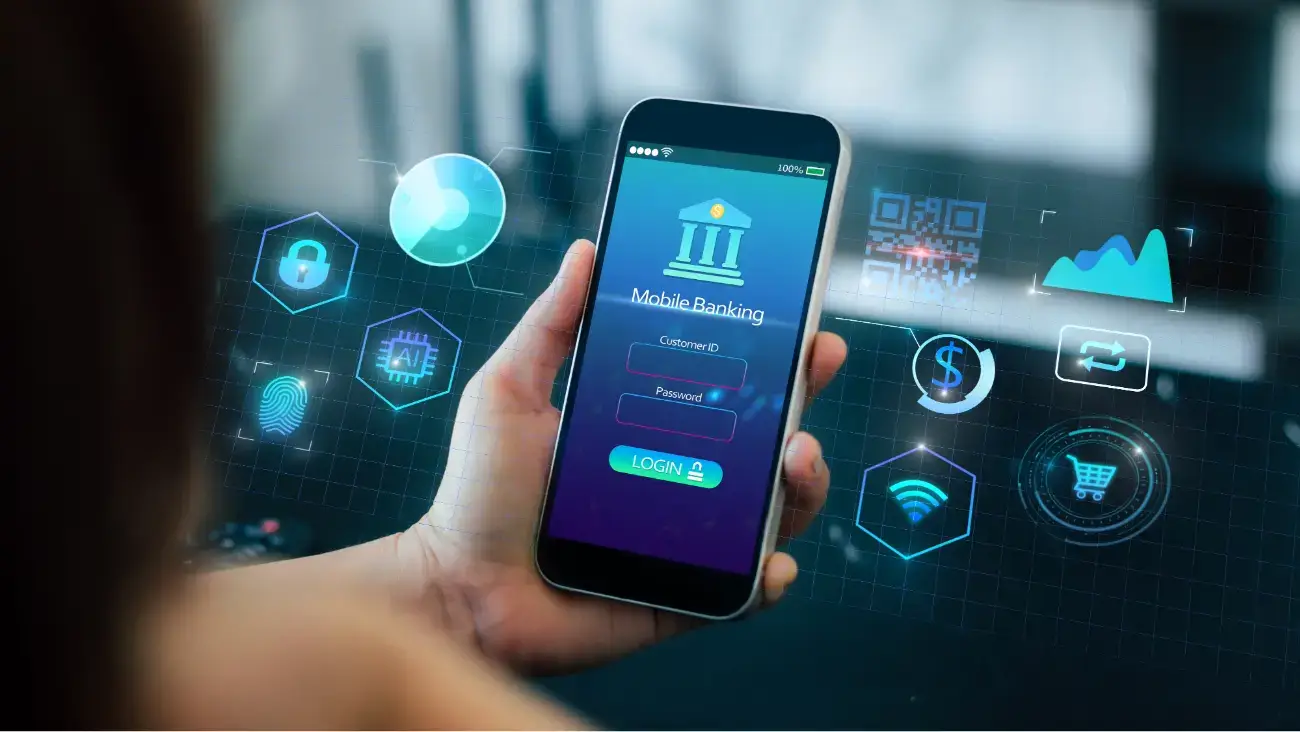

In today’s fast-paced world, managing your money on the go has become second nature for millions of people. With smartphones in nearly everyone’s pocket, mobile banking offers incredible convenience, letting you check balances, transfer funds, and pay bills anytime, anywhere. But as more of us rely on these apps, staying safe while using them is more important than ever, especially with rising cyber threats in 2025.
What Is Mobile Banking?
Mobile banking is the practice of accessing your bank accounts and performing financial transactions through a dedicated app on your smartphone or tablet. Its core purpose is to provide secure, on-demand access to your money without needing to visit a branch or use a computer.
- People from all walks of life use it: busy professionals juggling work and family, students managing limited budgets, travelers handling expenses abroad, and seniors staying connected to their finances.
- It’s especially popular because it fits seamlessly into daily routines, saving time on tasks like depositing checks or monitoring spending.
What sets mobile banking apart in the financial world?
- It combines high-level security features like encryption and biometrics with user-friendly interfaces that make complex tasks feel simple.
- Unlike traditional banking, it’s available 24/7, and unlike basic online banking via a browser, it’s optimized for mobile devices with features tailored to on-the-go use.
- Advanced apps now integrate tools for budgeting, alerts, and even personalized financial advice, making it a comprehensive money management hub.
Key Features
Modern mobile banking apps come packed with practical tools designed to make your financial life easier and more secure. Here are some standout features you’ll find in most reputable apps:
- Remote check deposits: Snap photos of checks to deposit them instantly, no branch visit required.
- Real-time transaction alerts: Get notifications for every purchase, deposit, or withdrawal to spot issues quickly.
- Biometric login: Use fingerprint, face recognition, or voice for fast, secure access.
- Peer-to-peer payments: Send money to friends or family effortlessly through integrated services.
- Bill pay and scheduling: Set up automatic payments to avoid late fees.
- Account monitoring tools: View balances, track spending categories, and set custom alerts.
- Card controls: Freeze your debit or credit card instantly if it’s lost or suspicious activity occurs.
- Multi-factor authentication: Add extra layers like one-time codes for logins and big transactions.
These features prioritize both convenience and protection, with many apps now using AI to detect unusual activity in real time.
Benefits of Using Mobile Banking
Embracing mobile banking can truly transform how you handle your finances, fitting effortlessly into a busy lifestyle. It puts control right in your hands, reducing stress and helping you stay on top of your money.
In daily life, it saves hours that would otherwise be spent driving to a bank or waiting in line. Whether you’re paying a bill during your commute or transferring funds while grocery shopping, it boosts productivity and gives peace of mind.
Key benefits include:
- Ultimate convenience: Bank anytime, anywhere, without branch hours limiting you.
- Time savings: Handle tasks in seconds that used to take minutes or hours.
- Better money management: Real-time insights help track spending and avoid overdrafts.
- Enhanced security monitoring: Instant alerts catch potential fraud faster than monthly statements.
- Cost efficiency: Fewer fees from things like paper statements or in-person services.
- Eco-friendly: Reduces paper use with digital statements and receipts.
- Accessibility: Great for those in remote areas or with mobility challenges.
Overall, it empowers you to make smarter financial decisions with less effort.
Recent Trends
As we move through 2025, mobile banking continues to evolve rapidly, driven by technology advancements and changing user expectations. Banks are focusing on making apps smarter, safer, and more personalized to meet modern needs.
- AI-powered fraud detection: Apps now use artificial intelligence to spot suspicious patterns in real time, blocking threats before they happen.
- Advanced biometrics: Beyond fingerprints, facial and voice recognition are standard, with some exploring behavioral analysis like typing patterns.
- Passwordless logins: Shifting to secure tokens and biometrics for smoother, safer access.
- Integration with digital wallets: Seamless connections to services like Apple Pay or Google Pay for faster payments.
- Personalized financial insights: AI suggests budgets, savings goals, or investment tips based on your habits.
- Enhanced privacy controls: More options to manage data sharing and receive transparent updates on security.
- Blockchain for secure transactions: Emerging use for faster, tamper-proof transfers in some apps.
These updates show how mobile banking is adapting to combat rising cyber risks while improving user experience.
Pros of Mobile Banking
| Pros | Description |
|---|---|
| Convenient Access | Manage your finances 24/7 from anywhere with an internet connection. |
| Time-Saving | Complete transactions quickly without visiting a branch or ATM. |
| Real-Time Alerts | Instant notifications help monitor accounts and catch issues early. |
| Secure Features | Built-in encryption, biometrics, and fraud detection provide strong protection. |
| Cost-Effective | Often reduces fees for statements, transfers, or overdrafts. |
| Eco-Friendly | Digital tools minimize paper use for statements and receipts. |
| Easy Money Management | Tools for budgeting, tracking spending, and setting goals in one app. |
Cons of Mobile Banking
| Cons | Description |
|---|---|
| Internet Dependency | Requires a stable connection; no access in areas with poor signal. |
| Security Risks | Potential for phishing, malware, or data breaches if not used carefully. |
| Limited Features in Some Apps | Not all banks offer the same advanced tools or integrations. |
| Device Reliance | If your phone is lost, stolen, or breaks, access could be temporarily disrupted. |
| Learning Curve | New users may need time to get comfortable with app interfaces. |
| Occasional Technical Issues | Apps can glitch or require updates, causing temporary inconvenience. |
Alternatives to Mobile Banking
While mobile banking dominates for many, other options exist depending on your preferences for security, features, or traditional touch.
| Alternative | Description |
|---|---|
| Online Banking via Browser | Access accounts through a website on computers or tablets for a larger screen experience. |
| Traditional Branch Banking | In-person service for complex needs like loans or advice from tellers. |
| Phone Banking | Call your bank for transactions and support, ideal for those avoiding apps. |
| ATM Networks | Use machines for cash withdrawals, deposits, and basic checks without apps. |
| Digital Wallets (e.g., Apple Pay, Google Pay) | Store cards for contactless payments, often with added security layers. |
| Neobanks (e.g., Chime, Varo) | Fully app-based banks with innovative features like early payday access. |
Why Use Mobile Banking
In a world where time is precious and threats are evolving, mobile banking stands out as a smart choice for staying in control of your finances. It offers unmatched flexibility, helping you avoid late fees, spot fraud quickly, and make informed decisions on the spot. With strong built-in protections and constant improvements, it’s designed for real-life security without sacrificing ease. Choosing it means embracing a tool that grows with you, keeping your money safe while simplifying your day-to-day.
Mistakes to Avoid
Even with robust security, simple oversights can put your accounts at risk. Here are common pitfalls and how to steer clear:
- Using public Wi-Fi for transactions: Unsecured networks can expose your data—always use cellular data or a trusted VPN instead.
- Weak or reused passwords: Avoid simple ones like birthdays; use unique, complex passwords and a manager to track them.
- Ignoring app updates: Outdated versions miss critical security patches—enable auto-updates or check regularly.
- Falling for phishing scams: Never click links in unsolicited texts or emails claiming to be your bank; verify by contacting them directly.
- Not enabling multi-factor authentication: Turn it on for an extra verification step, like a code sent to your phone.
- Sharing one-time codes or credentials: Banks never ask for these—report any such requests as fraud.
- Downloading fake apps: Stick to official app stores and double-check developer names.
- Leaving your phone unlocked: Use biometrics or a strong PIN, and enable remote wipe if lost.
- Overlooking transaction alerts: Review them promptly to catch unauthorized activity early.
Staying vigilant with these habits keeps your mobile banking experience secure.
Final Thoughts
Mobile banking has revolutionized personal finance, blending convenience with powerful tools to help you manage money smarter and safer than ever. From real-time alerts and biometric logins to AI-driven insights, it’s clear why so many rely on it daily. By following best practices—like strong passwords, regular updates, and cautious habits—you can enjoy all the benefits while minimizing risks.
Stay proactive, keep learning about new features, and make safe mobile banking a natural part of your routine. Your financial peace of mind is worth it—here’s to secure, stress-free banking ahead!