
Introduction
Securing your phone has become more important than ever, and fingerprint lock has become one of the fastest and most reliable ways to protect personal data. Most modern phones support it, and setting it up takes only a few minutes once you know where the options are. This guide walks you through everything you need to know, from how it works to the benefits, common mistakes, and the latest trends shaping fingerprint security in 2025. It’s simple, practical, and written to help every user get the best out of their phone.
What Is Fingerprint Lock?
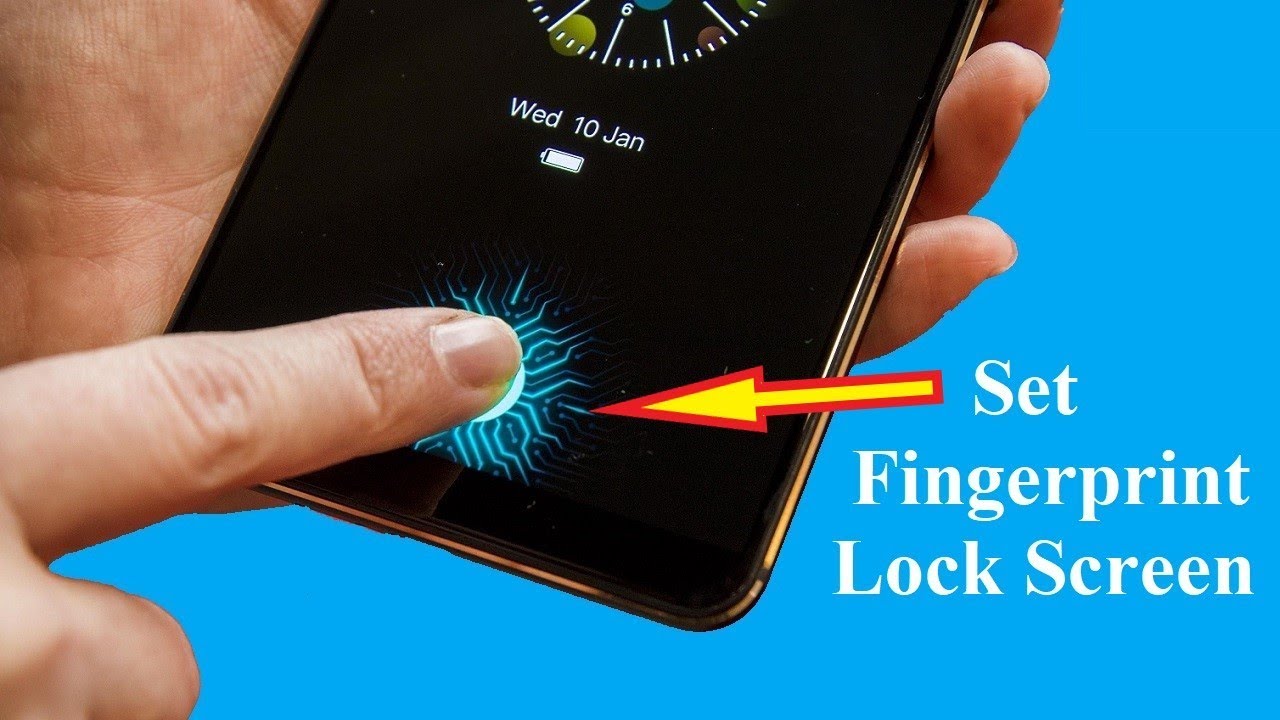
Fingerprint lock is a biometric security feature that uses your unique fingerprint pattern to unlock your phone. It identifies your touch through a sensor and grants access only if the stored fingerprint matches.
This feature is widely used by people of all ages because it’s quick, effortless, and more secure than a PIN or pattern.
Who Uses It and Why
- Anyone who wants quick access without typing passwords
- Users who prefer better security for apps, payments, and personal files
- People who lock their phones often throughout the day
- Those who want modern, efficient security tools
What Makes It Stand Out
- It’s far more accurate than pattern or PIN locks
- Works instantly with a single touch
- Reduces the need to remember codes
- Harder for others to guess or break
- Ideal for both privacy and convenience
Key Features
- Fast Unlocking with a single tap
- High Accuracy through modern biometric sensors
- App Lock Support for banking, gallery, messengers, and more
- Secure Payments verification in supported apps
- Multiple Fingerprints can be added
- Side, Back, Under-Display Sensors depending on the phone
- Low Power Usage even with frequent unlocking
- Enhanced Privacy Settings for sensitive activities
Benefits of Using Fingerprint Lock
Fingerprint lock has grown into a core security feature because it makes everyday phone use simpler and safer. Whether you lock your phone often or rely on it for online payments, having this feature turned on adds a level of protection that fits naturally into your routine.
Real-World Benefits
- Unlocks your phone instantly even with one hand
- Saves time compared to entering a PIN
- Keeps apps and personal data protected
- Reduces chances of unauthorized access
- Adds an extra shield for financial and banking apps
- Works smoothly without needing internet
- Reliable for users who multitask often
- Helpful when using gloves or wearing a mask (on supported sensors)
Key Benefits in Bullet Form
- Stronger security
- No need to remember passwords
- Faster phone access
- Extra protection for apps
- Good for online transactions
- Minimizes security risks
Recent Trends in Fingerprint Technology (2025)
Fingerprint tech keeps improving year by year, and 2025 has introduced several upgrades that make it even more reliable.
Latest Trends
- Wider under-display sensors with better accuracy
- Side-mounted sensors now faster and more responsive
- Improved AI-based detection against fake fingerprints
- Better recognition in wet or low-light conditions
- Enhanced support for secure digital payments
- Faster multi-fingerprint registration
- Stronger anti-spoofing technology built into new phones
Pros of Fingerprint Lock
| Pros | Description |
|---|---|
| Easy to Use | Simple setup and smooth everyday experience. |
| Time Saving | Unlocks your phone instantly without typing anything. |
| High Accuracy | Reads fingerprints quickly with fewer errors. |
| Hands-Free Friendly | Works even when you’re doing tasks with one hand. |
| Secure Payments | Helps verify transactions more safely. |
| Multiple Fingerprints | Lets you add more than one finger for convenience. |
| Works Offline | No internet needed for unlocking. |
| Reliable Technology | Latest sensors offer consistent performance. |
Cons of Fingerprint Lock
| Cons | Description |
|---|---|
| Sensor Can Get Dirty | Dust or moisture may affect recognition. |
| Not Perfect with Wet Hands | Some sensors struggle when fingers are wet. |
| Hardware Dependent | Quality depends on the phone’s sensor type. |
| May Require Backup PIN | Phone still asks for a PIN after restarts. |
| Limited on Old Devices | Older models may be slower or less accurate. |
| Might Not Work with Gloves | Some gloves block sensor detection. |
Alternatives to Fingerprint Lock
| Alternative | Description |
|---|---|
| Face Unlock | Great for hands-free access with fast scanning. |
| PIN Lock | Traditional and reliable option for all devices. |
| Pattern Lock | Easy to remember and simple to use. |
| Password Lock | Offers strong protection for sensitive data. |
| Smart Lock | Unlocks your phone based on trusted devices or places. |
Why You Should Use Fingerprint Lock
Using fingerprint lock brings a balance of speed and security that fits into everyday life. It’s especially useful for people who frequently unlock their phones, handle online payments, or store private information that needs protection. It helps you move through your day with less friction and greater peace of mind.
How to Set Up Fingerprint Lock Quickly on Your Phone
Here’s the part most readers look for. The steps are simple and work on almost all major brands including Samsung, Xiaomi, Vivo, Oppo, Realme, Google Pixel, and others. Wording may vary slightly, but the process remains familiar.
Step 1: Open Your Settings
Look for the Settings icon on your home screen or app drawer.
You may also swipe down and tap the small settings gear.
Step 2: Go to Security or Biometrics
Depending on your phone, the section might appear as:
- Security
- Biometrics and Security
- Lock Screen and Password
- Privacy and Protection
- Fingerprint ID
Step 3: Select Fingerprint Option
Tap on the fingerprint option.
The phone will ask you to confirm your current password, PIN, or pattern before continuing.
Step 4: Add a Fingerprint
Place your finger on the sensor repeatedly until the progress circle completes.
The sensor may be:
- Under the display
- On the side button
- On the back panel
Lift and reposition your finger when prompted so the phone captures all angles.
Step 5: Add More Fingerprints
Most phones let you add multiple fingerprints.
Add your other hand’s finger or a thumb that you use often.
Step 6: Save and Activate
Once fingerprints are registered, switch on the toggle to enable fingerprint unlocking.
Optional Settings
- Enable fingerprint for app lock
- Turn on fingerprint for payments
- Improve recognition by re-scanning if needed
Mistakes to Avoid
Setting up fingerprint lock is simple, but some common mistakes affect performance or security. Avoiding these helps you get a smoother experience and better reliability.
Common Mistakes
- Using dirty or wet fingers during setup
- Adding only one fingerprint instead of multiple
- Not cleaning the sensor regularly
- Skipping a backup lock like PIN or Pattern
- Using the same finger only once instead of re-registering for accuracy
- Ignoring software updates that improve recognition
- Setting up fingerprints while wearing gloves (not recommended)
- Registering your finger too lightly or too fast
- Avoiding recalibration even when accuracy declines
- Not using fingerprint for supported apps where it improves safety
Final Thoughts
Fingerprint lock is one of the most practical features modern phones offer. It blends convenience with strong protection and keeps your daily tasks running smoothly. Once you set it up properly, it becomes second nature and saves you time every single day. As phones continue improving in 2025, fingerprint technology is only becoming faster, smarter, and more secure.
Use it wisely, keep your sensor clean, and enjoy the peace of mind that comes with having a reliable layer of protection right at your fingertip.